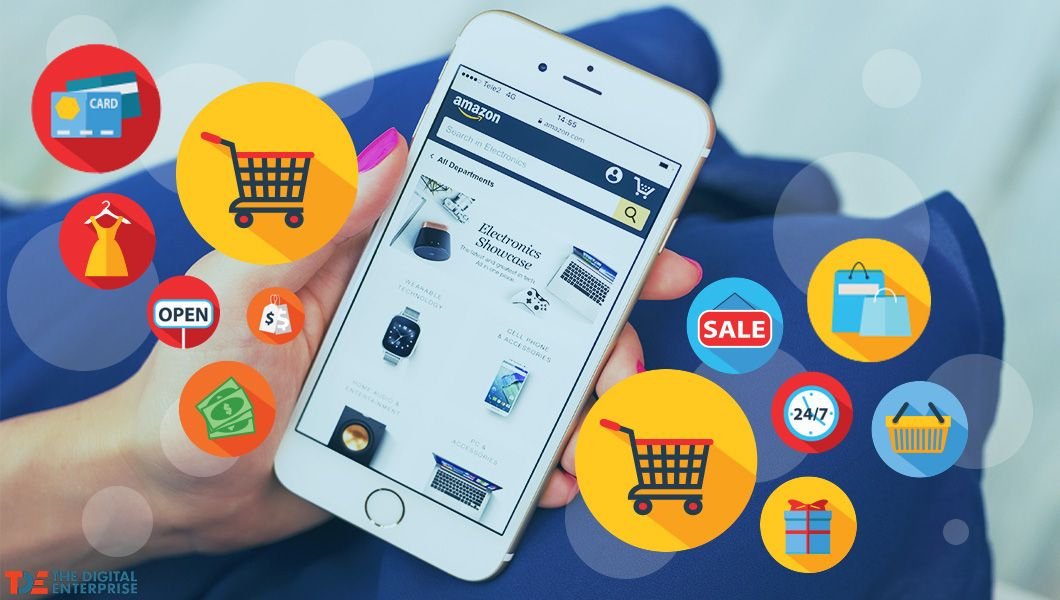
Introduction to E-commerce Apps and their Importance for Brands
In today’s fast-paced digital world, E-commerce apps have become a cornerstone for brands looking to thrive online. With millions of potential customers at their fingertips, businesses can no longer afford to ignore the power of mobile shopping. As consumers increasingly turn to their smartphones for purchases, having a robust E-commerce app is essential. But how do you navigate the myriad options available in E-commerce app development? The choice of an app can make or break your brand’s online presence. From user experience to integration capabilities, every detail matters when it comes to delivering value and satisfaction to your customers.
This guide will walk you through everything you need to know about selecting the best E-commerce app development company that aligns with your brand’s vision and goals. Let’s dive into what makes an exceptional E-commerce application!
Factors to Consider When Choosing an E-commerce App Development Company
Selecting the right E-commerce app development company is crucial for your brand’s success. Start by evaluating their experience and expertise in the field. A seasoned team understands market trends and can provide valuable insights.
Customization options are equally important. You want an app that reflects your unique brand identity, not a generic template. Ensure the developers can tailor features to meet your specific needs.
Pricing structures vary widely among companies, so establish a clear budget upfront. Be wary of hidden costs that could inflate expenses later on.
Integration with other platforms cannot be overlooked. Your E-commerce app should seamlessly connect with payment gateways, inventory systems, and CRM tools for optimal functionality.
Lastly, prioritize user interface and design. An intuitive layout enhances user experience and encourages customer engagement—essential for boosting sales.
Popular E-commerce App Development Companies in the Market
When exploring the landscape of E-commerce app development, several companies stand out for their innovative solutions and client satisfaction.
Shopify is a household name in the E-commerce space. Their platform provides robust tools for building customizable apps that cater to various business needs. With 24/7 customer support, they ensure users can navigate challenges seamlessly.
Another noteworthy player is BigCommerce. They focus on scalability and flexibility, making them ideal for growing brands. Their features include advanced analytics and multi-channel selling capabilities.
Then there’s Appy Pie, known for its user-friendly interface allowing businesses with no coding experience to create functional apps quickly. This accessibility appeals to startups looking to enter the market without heavy investment.
Lastly, Magento offers extensive customization through open-source solutions tailored specifically for larger enterprises aiming for unique branding experiences. Each company brings distinct strengths suited to different types of E-commerce ventures.
Tips for a Smoot E-commerce App
For a seamless E-commerce app development journey, communication is key. Maintain an open line with your chosen development team. This ensures that everyone is on the same page regarding goals and expectations.
Setting clear objectives at the outset can save time and resources down the road. Define what success looks like for your brand early in the process. This clarity helps guide decisions throughout development.
Don’t hesitate to ask questions or voice concerns during the project. A good development partner will value feedback and adapt accordingly. Frequent updates provide insight into progress, making it easier to make adjustments as necessary.
Testing is another critical step before launching your app. Conduct thorough testing for usability, performance, and security issues across multiple devices. Gathering real user feedback can highlight areas for improvement that may not have been apparent during initial testing phases.
Finally, ensure you have a solid marketing strategy ready for launch day. An effective promotion plan can significantly boost visibility for your new E-commerce app from day one. With careful planning and execution, you set up not just an app but a thriving online presence that resonates with customers.
FREQUENTLY ASKED QUESTIONS
1) What is e-commerce app development?
E-commerce app development builds and optimizes mobile shopping apps—covering UX, catalog, checkout, and analytics—to increase conversions, retention, and revenue for brands.
2) How do I choose the best e-commerce app development approach?
Define goals, budget, and timeline. Prioritize core journeys, required integrations, and performance. Compare native vs cross-platform, validate with prototypes, and select partners with measurable KPI outcomes.
3) Which features are must-have in e-commerce app development?
Must-haves: fast search, rich product pages, one-tap checkout, secure payments, guest login, push notifications, reviews, order tracking, easy returns, saved carts, and analytics.
4) How much does e-commerce app development cost?
Costs vary by scope and integrations. Expect ~$60k–$150k for MVP, $200k+ enterprise, plus 15–25% yearly for maintenance, optimization, and new features.
5) How long does e-commerce app development take?
Typical MVP: 8–14 weeks. Complex builds: 4–8 months. Agile sprints, early UX testing, and continuous QA keep timelines predictable and risk low.
6) Native vs cross-platform for e-commerce app development—what’s better?
Native (Swift/Kotlin) offers peak performance and polish. Cross-platform (Flutter/React Native) cuts cost and time. Most brands choose cross-platform; pick native for heavy animation or device depth.
7) How do I secure e-commerce app development?
Use HTTPS, tokenized payments, secure storage, and least-privilege APIs. Align with PCI-DSS and privacy laws; add rate-limiting, code reviews, dependency scans, and regular pen-tests.
8) What tech stack scales for e-commerce app development?
Pair Flutter or React Native with a headless commerce backend, GraphQL/REST APIs, CDN, serverless functions, observability, feature flags, and A/B testing for safe, rapid iteration.
9) How does e-commerce app development differ for B2B vs B2C?
B2C emphasizes discovery and fast checkout. B2B adds contract pricing, approvals, bulk ordering, account roles, custom catalogs, and ERP/CRM integrations.
10) What mistakes should I avoid in e-commerce app development?
Avoid slow loads, clunky checkout, scope creep, weak search, and skipping accessibility, analytics, or QA. Test on real devices and validate integrations early.